
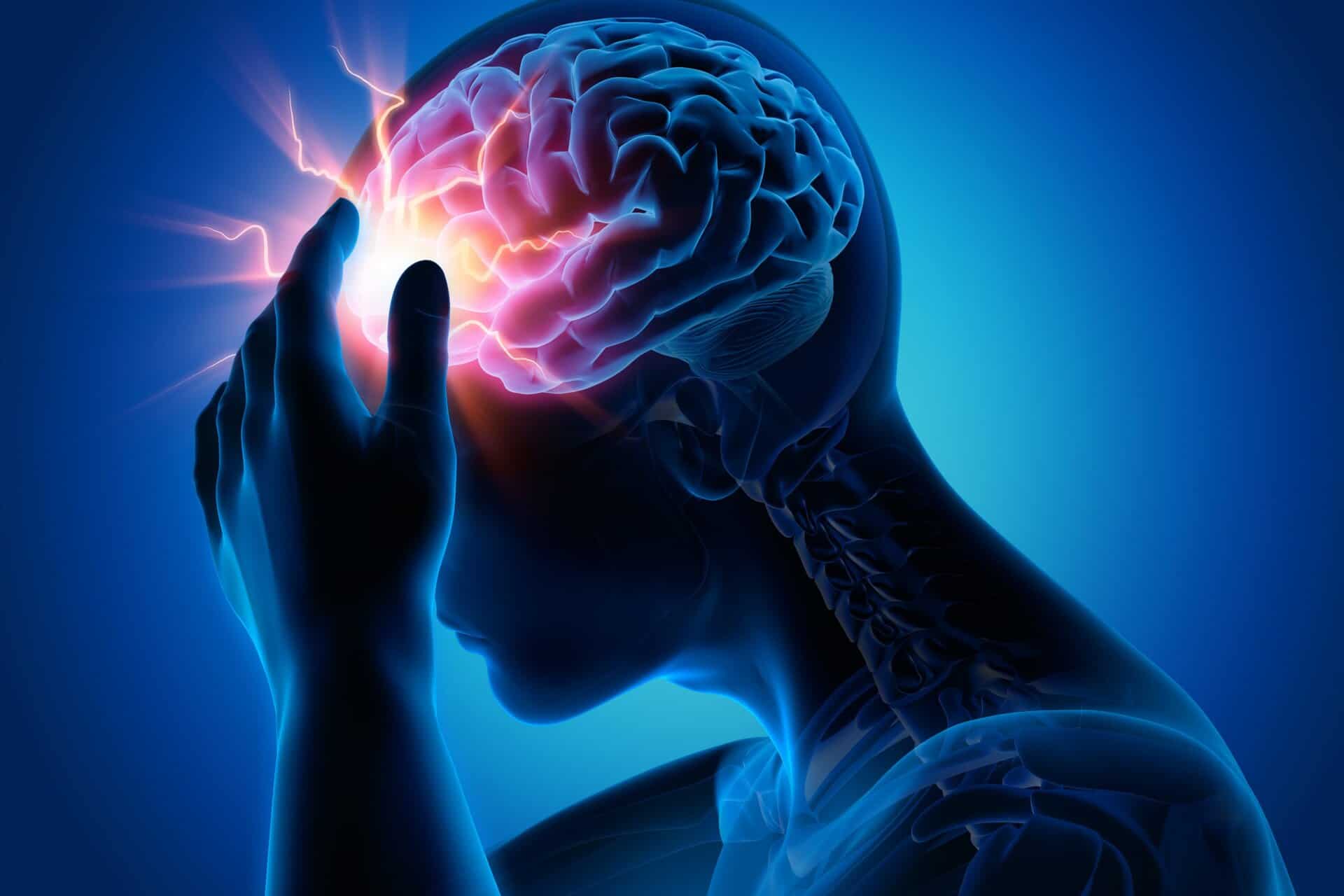
Cervicogenic headaches (CGH) are quite literally a pain in the neck! They are considered a secondary form of headache which develops from somatic referred pain from the upper cervical spine. More precisely, C1-3 nerves as they converge with trigeminal afferents, forming the trigeminocervical nucleus (15). CGH is a rarer form of headache which occurs insidiously in 1-2.5% of adults aged 30-40 years but has a much higher prevalence of approximately 53% in post whiplash-associated disorders (WAD) (4). For an excellent, in-depth review, check out Dr. Toby Hall’s Masterclass, The Physical Management of Headache.
The management of CGH is challenging for both clinicians and patients alike (so conveniently I’m attempting to summarise it) despite its existence being recognised back in the 1980’s. A multimodal approach which encompasses exercise with or without manual therapy is recommended for initial conservative management (24, 8, 15, 4).
Clinicians should aim to understand concerns or expectations from the patient and address any misinterpretations through advice and reassurance (8). There are mixed reviews regarding the effectiveness of educational interventions, due to low quality evidence and heterogeneity amongst studies (12). However, when used in conjunction with physiotherapy it may provide short-term benefits for individuals post-WAD, irrespective of its method of delivery via handout or verbal communication (26). Although these studies are not exclusive to CGH’s, we can hypothesise that education may offer some benefit considering cervical pain precedes headache symptoms and the prevalence of CGH is far greater post-WAD (4).
One method is reassurance. Discussing that neck pain is common amongst the general population and between 33-65% of episodes will resolve within a year and headaches often tend to coexist may offer some relief (18, 7). Interestingly, our trauma-related demographic are dealt a slightly more favourable outcome. In the absence of poor prognostic factors (e.g. psychosocial factors etc) symptoms often recover within three months (3). Education about the risk factors associated with chronic headaches is also important, these include; obesity, caffeine, medication overconsumption and sleep disturbances (9).